Predictive Analytics and Business Intelligence
See what's coming, not just what happened
Overview
How it works for your business.
Most businesses run on rearview-mirror data. They make this month's decisions based on last month's reports. We build predictive analytics systems that look forward instead, using your historical data to forecast demand, flag customers at risk of churning, project revenue, and pick out trends before they're obvious. Whether it's inventory planning or sales forecasting, the goal is the same: give you the foresight to act while your competitors are still figuring out what happened.
Key benefits
Plan with More Context
Explore possible changes in demand using the data available, with the assumptions behind each forecast explained so your team can weigh up the options.
Put Forecasts to Work
Use demand estimates to support stock planning and review the results over time. Forecast uncertainty is part of the discussion when making purchasing decisions.
Spot Customers Who May Need Attention
Use agreed indicators to flag customers for your team to review. A risk signal is a prompt for a closer look, rather than a prediction of an individual customer's decision.
Our approach
How we solve the hard problems.
How we evaluate your data
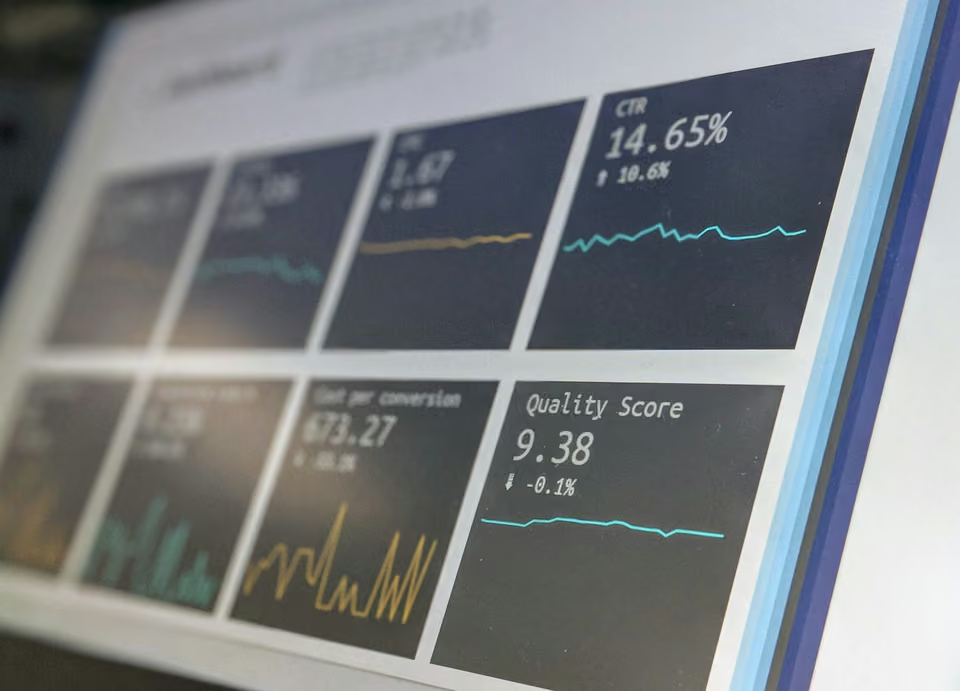
Before we build anything, we honestly assess what your data can support. Completeness, quality, depth of history, relevance to the question you're trying to answer. That tells us which predictions are realistic with what you've got and which ones need more data first. We'd rather tell you that up front than ship a model you can't trust.
How we develop models
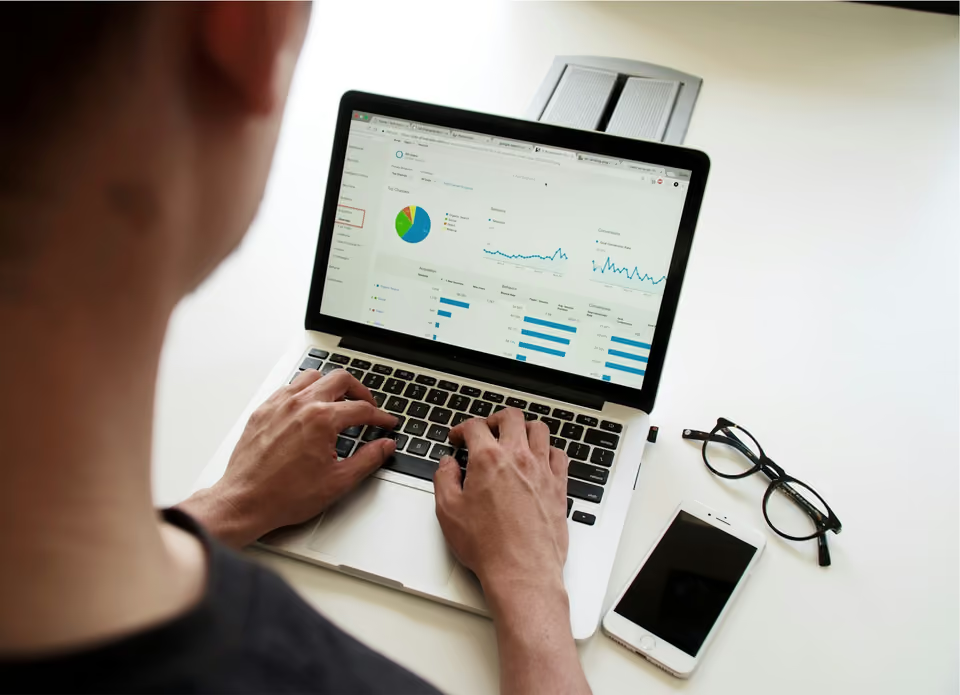
We don't throw data at algorithms and hope. We start with a specific business question, identify what signals might predict it, and test those hypotheses systematically. The models we build are grounded in business logic, not random correlations that look impressive in a slide deck.

How we make predictions actionable
We discuss where forecasts could help your team's decisions and how to show their assumptions. Notifications or automated actions are scoped around the risks of the specific workflow.

How we keep models accurate
Models can become less useful as conditions change. We discuss how to review forecast quality and whether further testing or updates would be worthwhile under the agreed support scope.
What's included
- Custom predictive model development
- Demand and inventory forecasting
- Customer behavior and churn prediction
- Revenue and sales forecasting
- Trend analysis and anomaly detection
Common use cases
- Inventory optimization and demand planning
- Customer lifetime value prediction
- Sales pipeline forecasting
- Seasonal demand anticipation
- Risk scoring and fraud detection
Our process
From discovery to delivery.
Data assessment
We look at your existing data — quality, volume, completeness — to figure out what predictions are actually feasible.
Model development
We build and validate predictive models on your historical data, testing different approaches to find what's most accurate.
Integration and visualization
We embed the predictions into the dashboards and tools your team already uses so the forecasts drive action, not slide decks.
Monitor and retrain
We track model accuracy over time and retrain when your business or the market shifts enough to matter.
Explore more
Other services you might need.



Ready to start?